Egg Donor IVF in Ethiopia: Fresh vs Frozen Donor Eggs (Complete 2025 Guide)

Success Rates • Costs • Scientific Updates • Ethiopia-specific insights

Donor Eggs are Changing Fertility Options in Ethiopia

Infertility affects many Ethiopian couples, and in situations where a woman’s eggs are not viable due to low AMH, age, premature ovarian failure, endometriosis, or repeated IVF failure Donor Egg IVF becomes the most effective treatment.

But when choosing donor eggs, one question becomes critical:

Should you use fresh donor eggs or frozen donor eggs?

Both options lead to healthy pregnancies but the journey, cost, and success rates can differ.

This blog is the first Ethiopia-focused medical guide that compares:

  • Success rates (fresh vs frozen donor eggs)
  • Cost differences
  • Cultural/ethical considerations in Ethiopia
  • New scientific findings (vitrification, PGT-A, neonatal outcomes, etc.)
  • Future trends (AI embryo selection, international donor-egg banks)

Fresh vs Frozen Donor Eggs: Quick Comparison

Factor Fresh Donor Eggs Frozen Donor Eggs
Success Rate (live birth) Slightly higher in large datasets Slightly lower, but narrowing gap
Timing Must synchronize donor + recipient cycles Flexible eggs already frozen and ready
Availability Limited donors locally in Ethiopia Can be foreign donor eggs from egg banks abroad
Cost Higher due to monitoring + synchronization Often lower; fewer clinic visits
Best for Couples prioritizing maximum success Couples prioritizing schedule & convenience

Understanding the Process

Fresh Donor IVF

  • A donor takes hormone injections for 10–12 days.
  • Eggs are retrieved and fertilized immediately.
  • Embryos are transferred fresh or frozen for later transfer.

Frozen Donor IVF

  • Donor eggs are already frozen (vitrified).
  • Shipped to Ethiopia or thawed in clinic.
  • Fertilized and transferred to the recipient.


Why Donor Eggs Work So Well

Success depends on egg quality, not the age of the woman carrying the pregnancy.
Even women in their 40s and 50s experience high success using donor eggs because:

The embryo comes from young, healthy eggs → lower genetic errors.

Cost Comparison in Ethiopia: Fresh vs Frozen Donor Eggs

When considering donor‑egg IVF in Ethiopia, cost is an important factor. While exact prices are not widely published, we can estimate costs based on clinic data and market trends.

What We Know

  • A standard IVF cycle using your own eggs costs about ETB 157,500 – 262,500.
  • Using donor eggs generally costs ETB 136,500 – 210,000, though some sources list ETB 210,000+ for foreign donor eggs or more complex cases.

Estimated Cost: Fresh vs Frozen Donor Eggs

Type of Donor Egg Cycle Estimated Cost (ETB) Success Rate
Fresh donor eggs (local donor, fresh retrieval) 157,500 – 262,500 55% – 70%
Frozen donor eggs (pre-collected eggs, recipient cycle only) 136,500 – 210,000 50% – 65%
Foreign donor eggs / foreign frozen eggs 210,000+ 60% – 75%

Egg Donor IVF in Ethiopia – Fresh vs Frozen Donor Eggs Cost for Different Ethiopian Ethnic Groups

Ethiopian Ethnic Groups Fresh Donor Cost (ETB) Frozen Donor Cost (ETB) Waiting time for fresh local donor cycle (estimate) Frozen-egg availability locally
Amhara 147,000 – 231,000 136,500 – 199,500 1-4 months (if willing to accept common traits) Medium: some clinics may have local frozen cohorts
Oromo 147,000 – 231,000 136,500 – 199,500 1-4 months Medium
Tigray 168,000 – 252,000 147,000 – 220,500 2-6 months Low–Medium
Sidama 178,500 – 262,500 157,500 – 231,000 3-8 months Low
Somali (Ethiopian Somali) 189,000 – 294,000 189,000 – 315,000 4-12 months Low


Why Costs Differ

  • Fresh donor cycles require synchronising donor and recipient, stimulating the donor, monitoring, and egg retrieval — all adding time and cost.
  • Frozen donor cycles skip donor stimulation for the recipient’s cycle, which can reduce costs and save time.
  • In Ethiopia, frozen eggs may need importation or extra clinic infrastructure, which can reduce savings.

Additional costs for both types include:

  • Donor screening, genetic testing, and medications
  • Recipient preparation and monitoring
  • Lab work and embryo transfer

Best IVF Centres in Addis Ababa

Clinic Name Location Services
New Leaf Fertility Centre Addis Ababa IVF, ICSI, IUI, Egg freezing, Donor-egg & donor-sperm services.
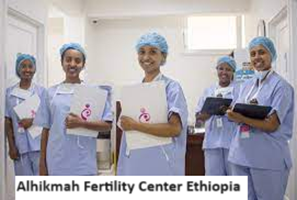
Alhikmah Fertility Center Addis Ababa (Bole Sub-city) Full fertility services including IVF with donor eggs. Best IVF centre in Delhi & NCR
Tebib Fertility Center Addis Ababa Infertility diagnosis, IVF treatment, personalized plans.
Ethio Fertility & IVF Center Addis Ababa Comprehensive infertility services, IVF & fertility care.
F And M Fertility and IVF Center Plc Ethiopia Addis Ababa Fertility/IVF center offering donor-egg

NEW: Emerging Scientific Updates & Technological Trends (Global Data)

Advances in Vitrification (Modern Freezing Technology)

Modern vitrification (a rapid freezing method):

  • Egg survival after thawing now reaches ~92–97%
  • Older slow-freezing methods had ≤75% survival

This means frozen eggs are now almost as good as fresh eggs.


Success Rates: Fresh vs Frozen Donor Eggs

According to US data of 135,085 donor egg cycles (2013–2020) reported:

  • Fresh donor eggs: 55.9% live birth rate
  • Frozen donor eggs: 46.2% live birth rate

However, newer meta-analyses indicate:

When lab protocols are excellent, outcomes between fresh and frozen eggs are comparable.

Egg Freezing (Autologous) – Live Birth Probability

Large dataset of 15,628 thawed eggs shows:

  • 2.75% live birth per egg thawed

Meaning: to achieve one live birth, ~12–16 eggs are ideal.

Technology Trend: Better Freezing = Better Results

New innovations include:

  • Closed-system vitrification
  • High-security cryo storage
  • Shortened vitrification protocols
  • AI monitoring of embryos and eggs

➡️ Makes frozen donor eggs even more reliable in future.

Increasing Global Demand for Egg Freezing & Donor Eggs

In 2023 alone:

  • ~39,269 egg-freezing cycles done in the U.S.
  • ~40% year-on-year increase

Younger women freeze eggs for career/education.
Older women freeze eggs before entering donor-egg pathways.

Soon Ethiopian clinics may:

  • Import frozen donor eggs
  • Build donor-egg banks locally

Genetic Testing (PGT-A): Improving Success Rates

Many donor egg IVF cycles now use PGT-A testing (checking embryo chromosomes).

Reported benefits:

  • Higher success per transfer
  • Lower miscarriage rates
  • Helps select the healthiest embryo

ASRM 2024 update notes:

Fresh embryo transfers showed higher implantation rates vs frozen when PGT-A was used.

Neonatal Outcomes (Baby’s Health)

Studies show:

  • Frozen embryo transfers → lower preterm birth & low birth-weight
  • Fresh vs frozen donor cycles → similar healthy neonatal outcomes

➡️ Even if fresh eggs may give slightly higher live-birth rates,
➡️ Frozen eggs produce babies that are just as healthy.

Reassuring for Ethiopian families.

Unique Considerations for Ethiopia & Africa

a) Donor Availability

In Ethiopia, challenges include:

  • Limited pool of young egg donors
  • Cultural hesitation around donation
  • Synchronizing donor + recipient cycles

Frozen donor eggs help because:

  • The eggs are already frozen
  • No need for donor presence at the clinic
  • Reduces scheduling delays


b) Cost Differences (Ethiopia estimate)

Component Fresh Donor Eggs Frozen Donor Eggs
Donor Medication + Monitoring High None
Cycle Flexibility Low High
Total Estimated Cost $6,000 – $12,000 $5,000 – $9,000

🔹 Exact prices vary by clinic.
🔹 Frozen eggs become cheaper as more egg banks connect with Ethiopia.


c) Cultural & Emotional Aspects

Common concerns:

  • Will the baby look like me?
  • Should we tell family/community?
  • Donor anonymity vs known donor

In Ethiopia, where family opinions carry weight, clinics should:

  • Provide psychological counselling
  • Explain donor anonymity rules
  • Encourage healthy disclosure decisions

Practical Decision Framework (Easy to Use)

Choose Fresh Donor Eggs If:
✔ You want the highest possible success rate
✔ You can wait 4–8 weeks for synchronization

Choose Frozen Donor Eggs If:
✔ You value flexibility
✔ You want to start treatment quickly
✔ You live abroad and want IVF in Ethiopia

Patient Preparation Guide to Improve Success

Area Action
Health Vitamin D check, balanced diet, avoid smoking
Uterus Readiness Endometrial lining scan
Mindset Counselling, stress management


Realistic Expectations

One donor egg cycle usually gives:

  • Several embryos
  • Multiple embryo transfers
  • Up to 70–90% cumulative live birth rate after multiple transfers (based on donor age & embryo quantity)

Donor eggs are not a step back
they are a shortcut to motherhood.

Donor Egg Programmes: What’s Involved for Donors & Recipients

Egg Donor Health Requirements

Egg donors must meet strict health and lifestyle criteria to ensure safety for both donor and recipient:

  • Age: Typically, 19–29, sometimes up to 32 years
  • BMI: Ideally 18–28/29
  • Medical history: No serious chronic or hereditary diseases in immediate family; non-smoker; minimal alcohol; drug-free
  • Reproductive health: Regular menstrual cycles, healthy ovarian reserve, no recent hormonal contraception like Depo-Provera
  • Tests & procedures: Ultrasound, hormone levels, genetic/family screening, psychological evaluation, daily injections, monitoring, and egg retrieval

In Ethiopia: Proposed legislation recommends licensed institutions ensure donor safety, but public data are limited. Clinics may have different criteria, so recipients should check individually.


Egg Donor Cost for Recipients

Ethiopia:

  • Estimated donor-egg IVF cycle: ETB 120,000–200,000
  • Includes donor stimulation, retrieval, lab costs, embryo transfer

South Africa (for comparison):

  • Donor agency matching fee: ~R24,000 + VAT
  • IVF cycle including donor eggs: R75,000–120,000

Note: Costs vary based on fresh vs frozen eggs, local vs foreign donor eggs, and extra services like genetic testing.


Waiting List

  • Fresh donor cycles: May require synchronisation with donor → possible wait
  • Frozen donor eggs: Pre-screened stock often available → shorter waiting time
  • Ethiopia: Clinics rarely publish waitlist data. Ask: “What is your current donor-egg waiting list for fresh vs frozen eggs?”


Type / Origin of Donor Eggs

Donors can be selected based on physical traits, ethnic background, education, personality, and health profile. For example, some agencies allow recipients to choose donors according to hair and eye color, height, age, and educational level.

In South Africa, donor programmes often list donors of “Black, Mixed, Caucasian, Indian” backgrounds to reflect demographic diversity and recipient preferences.
Victoria Mheuka, ababysa.com

Frozen donor‑egg banks store donor eggs collected, vitrified (rapidly frozen), and organized in cohorts. These offer faster access, as recipients do not need to wait for a fresh donor cycle. The eggs are pre-screened in advance and allow more scheduling flexibility.

Ethiopia: The regulatory and clinical landscape is still evolving. A proposed October 2024 legislation on “reproductive cell donation” would formally legalize donor-egg practices through licensed institutions.
Borkena, Addis Insight

The legislation requires that donations occur through licensed reproductive-health institutions, and both donor and recipient must meet defined conditions (e.g., donor health, recipient infertility) for the procedure to be legal.
Addis Insight

Some fertility clinics in Addis Ababa already accept egg donations, though availability, donor origin, and frozen-bank programs may be limited.
World Fertility Services

Because formal regulation is still being finalized, donor-egg origin in Ethiopia may involve fewer local donors or rely on foreign donor eggs frozen donor eggs in the future. Recipients should ask clinics directly about donor origin (local vs foreign donor eggs, fresh vs frozen) and matching options.

Practical considerations:

  • Local fresh donors:
    • May allow closer cultural or ethnic matching
    • Lower logistical complexity (retrieval and synchronization locally)
    • Smaller donor pool → potentially longer wait-lists
  • Foreign donor eggs frozen donor eggs:
    • Increase availability and speed of matching
    • Helpful if a recipient needs a specific trait or wants a rapid start
    • May have higher cost
    • Possible logistical and regulatory hurdles (customs, transport, storage, licensing)

Emotional & Psychological Considerations

Recipients may face:

  • Concerns about genetic link
  • Decisions on disclosure to child/family
  • Emotional stress if success is not immediate

No large-scale Ethiopian studies exist. Suggest qualitative interviews and pre-/post-donation counselling.

Advantages & Disadvantages of Using Donor Eggs

Advantages:

  • Higher success due to younger, healthier eggs
  • Shorter time to pregnancy if multiple eggs available
  • Option for women with diminished ovarian reserve or repeated IVF failure

Disadvantages:

  • Higher cost
  • Emotional/psychological concerns
  • Ethical/regulatory questions
  • Fresh cycles require more appointments; frozen cycles may have slightly lower success (though gap narrowing)
  • Not a 100% guarantee; success also depends on uterine health, embryo transfer technique

Data Point: Large international dataset: 55.9% live birth (fresh) vs 46.2% (frozen) donor eggs.

Tip: Ask clinics in Ethiopia for fresh vs frozen donor-egg live-birth statistics.

Donor Egg Compensation (South Africa)

  • Typical payment: R7,000–10,000 per donation cycle (time/effort, travel, not “sale”)
  • SASREG maximum: ~R8,000 per cycle
  • Example: Nurture Programme pays R8,000–10,000 depending on distance and effort
  • Important: Compensation covers time/effort, not the eggs themselves

Egg Donation Application Process

Steps for donors:

  1. Submit application: age, BMI, health, lifestyle, menstrual history, education/employment, family medical history
  2. Meet with donor coordinator; detailed medical & psychosocial questionnaire
  3. Medical screening: hormones, infectious disease, genetic/family history, ultrasound
  4. Psychological evaluation & informed consent
  5. Join donor database → wait for matching
  6. Undergo stimulation protocol, monitoring, egg retrieval, post-procedure follow-up

Blog Tip: Include a sample checklist for readers to visualize what is required.

Where to Donate Eggs in South Africa

  • Approach SASREG-accredited fertility clinics or registered donor agencies
  • Examples:
    • EDSA – Egg Donation South Africa
    • Nurture Egg Donor Programme
  • Ensure legitimacy; avoid agencies offering “big money for eggs” scams
  • Highlight “Top 3 legitimate clinics/agencies” for readers

Origin of Donor Eggs: Fresh vs Frozen, Local vs foreign donor eggs

  • Fresh eggs: Usually local donors, synchronized cycle
  • Frozen eggs: Pre-screened groups, may be foreign donor eggs; faster availability
  • Waitlist & availability: Frozen eggs shorten waiting time, especially in countries with limited donor pools like Ethiopia
  • Encourage Ethiopian clinics to track donor origin, fresh/frozen breakdowns as part of local registry initiatives

Future Outlook for Ethiopia

The future is promising:

  • AI embryo selection
  • More egg banks importing to East Africa
  • Improved transparency of clinic success rates
  • Lower freezing and thawing costs

Frozen donor eggs will likely become the default choice.

Final Takeaway

✔ Fresh eggs may have slightly higher success
✔ Frozen eggs offer flexibility, lower cost, and nearly equal outcomes
✔ With new technologies, frozen eggs are rapidly catching up

The right choice depends not only on success rates, but on your timeline, budget, and emotional readiness.

Rating and Reviews,

Q How much does IVF cost in Ethiopia?

IVF costs 150,000–260,000 ETB per cycle.

Q Which is the best fertility hospital in Ethiopia?

Several leading IVF centers operate in Addis Ababa with high success rates.

Q Can I get an Ethiopian egg donor?

Yes, clinics offer screened donors based on ethnicity and health criteria.

Q Is male infertility treated in Ethiopia?

Yes, treatments include semen analysis, medication, and ICSI.

Q Where can I read reviews of Ethio Fertility and IVF?

Reviews are available on Google and clinic social media pages.

Show all timings
  • Monday24 hours open
  • Tuesday24 hours open
  • Wednesday24 hours open
  • Thursday24 hours open
  • Friday24 hours open
  • Saturday24 hours open
  • Sunday24 hours open

Your request has been submitted successfully.

  • $$$$

Claim This Listing