Dialysis in Addis Ababa – Find Cost, Best Hospitals

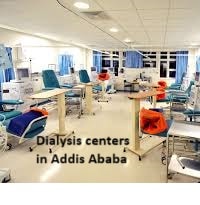
Dialysis is a treatment for people with the last stage of kidney disease. There are two kinds of dialysis: peritoneal dialysis and hemodialysis; both perform normal kidney functions and purify waste and excess fluid from the blood. Dialysis is available in Addis Ababa, Ethiopia. There are 20 dialysis centers, of which 16 are private, and four are public. There is a public dialysis center that exclusively treats acute kidney injury patients. Dialysis is not readily available to most Ethiopian patients with dialysis needed for acute kidney injury. Dialysis for both adult and pediatric patients can get little attention. The few government hospitals with dialysis units offer hemodialysis to patients with acute kidney injury.

The dialysis units in Addis Ababa serve the local community and patients from abroad who have come to Ethiopia on vacation. The length of dialysis treatment depends on the patient’s size and level of waste in the body, which determine the need for hemodialysis or peritoneal dialysis. The hemodialysis treatments require 4 hours three times a week. All the dialysis treatments are administered at a hospital. Dialysis is the most preferred treatment to run normal body functions like kidneys while the patient is waiting or undergoing a kidney transplant. However, hemodialysis is the most common dialysis service available in Addis Ababa, Ethiopia. The top hospitals like Addis Hiwot General Hospital, one outpatient service that remains six days a week and offers three shifts for dialysis patients. Most dialysis units are in major urban locations, making them inaccessible to a large population. Some rural regions lack dialysis services, even in urban areas. Let us find out more details about dialysis costs and the best hospitals in Addis Ababa.
Dialysis Pricelist in Addis Ababa 2025

Dialysis Service Estimated Cost (ETB)
Consultation with Nephrologist 510 – 1,530 ETB
Diagnostic Tests:
Blood Test 510 – 2,040 ETB
Dialyser Set 1,020 – 3,060 ETB
Dialyser IV Line Insertion 510 – 1,530 ETB
Single Session Cost (Hemodialysis) 1,530 – 3,060 ETB
Post-Procedure Cost (Catheter) 1,020 – 2,550 ETB
Miscellaneous Cost (Surgical Hole) 1,530 – 4,080 ETB
Total Estimated Cost 6,630 – 17,850 ETB

Specialized Hospital in Ethiopia for Dialysis

Several top hospitals in Addis Ababa provide dialysis services. A nephrology specialist department provides essential renal replacement therapy and emergency dialysis services. All the dialysis centers in Addis Ababa offer cost-effective dialysis treatments. There are facilities for early detection of kidney problems. Some dialysis centers are well-known for renal medicine, including urologic and dialysis procedures. Most dialysis centers have professional units for dialysis.

Best Dialysis Center in Addis Ababa Address
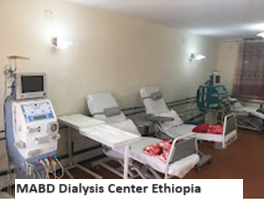
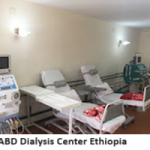
Mabd Dialysis Center 2R6P+Q4C Figa, Road, Addis Ababa, Ethiopia
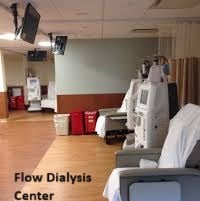
Flow dialysis center 2Q6W+9X5, Unnamed Road, Addis Ababa, Ethiopia
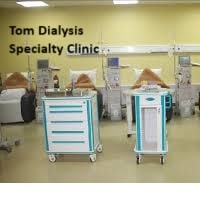
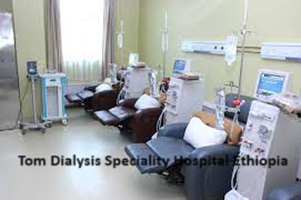
Tom Dialysis Speciality Clinic Megenagna Building, Equatorial Guinea St, Addis Ababa, Ethiopia
Tsigereda Dialysis Specialty Clinics 2PRJ+3HC Back of Haleluya Primary School, Addis Ababa, Ethiopia
Tom Dialysis Speciality Clinic Address: Megenagna Building, Equatorial Guinea St, Addis Ababa, Ethiopia
Santé Dialysis Center Address: XQP7+5PJ, Addis Ababa, Ethiopia
Zewditu Memorial Hospital Dialysis Center Address: 2Q94+J6P, Addis Ababa, Ethiopia
Amsiyas Specialty Dialysis Clinic Address: Torayloch Kolfe Sub-city, Ethiopia
Yeabemedical Kidney Dialysis Unit Address: Menelik II Hospital, Menelik II Avenue, Addis Ababa, Ethiopia

Best Dialysis center in Addis Ababa, Ethiopia

Flow Dialysis Center – Find Services & Book Appointment

Affordable hemodialysis services in Addis Ababa

cat-icon 2Q6W+9X5, Unnamed Road, Addis Ababa, Ethiopia
cat-icon Megenagna Building, Equatorial Guinea St, Addis Ababa, Ethiopia

Public vs. Private Dialysis Options in Addis Ababa

Public Dialysis Options have affordable costs due to government subsidies. Few public hospitals provide hemodialysis at a low cost, which the Ethiopian government may cover for eligible patients. The access to dialysis in public hospitals has limited resources and limited availability of equipment compared to private facilities.

Private Dialysis centers in Addis Ababa are more expensive, with a cost range of 2,500 -5599 ETB or more depending on the location and patient requirements. Private dialysis hospitals offer high-cost consultation, testing, and other services. In private hospitals, patients will have less waiting time, the latest medical equipment, well-trained staff, and a more comfortable environment for patients. Private hospitals also offer fast services and personalized experiences dedicated to every patient’s care.

Eligible and Non-Eligible Candidates for Dialysis

Eligible for Dialysis Not Eligible for Dialysis
End-stage renal disease (ESRD) Mild/moderate kidney dysfunction
Severe kidney failure (GFR <15) Reversible acute kidney injury (AKI)
Life-threatening complications Terminal illness/poor prognosis
Chronic kidney disease (CKD) with no alternatives Patient refusal
Medically stable for treatment Patients with Advanced Cancer
Adequate vascular access Untreatable infections/access issues

Does Dialysis Get Insurance Coverage in Addis Ababa, Ethiopia

Generally, dialysis does not get insurance coverage, but some regional governments in Addis Ababa subsidize dialysis costs. The Ethiopian government covers pre-transplant evaluation, surgery, and preoperative care. Most patients receive palliative care with end-stage as they cannot afford dialysis. Ethiopia has only hemodialysis. Check with your private insurance provider to see if your kidney transplant or disease treatment with dialysis is covered. Overseas treatments have multiple options to cover dialysis with kidney transplant surgery, depending on hospital or insurance provider policies.

Waiting Time for Dialysis in Addis Ababa, Ethiopia

According to NIH the waiting time for dialysis in Addis Ababa, Ethiopia, can vary depending on the facility and patient’s circumstances due to limited access to dialysis services. Patients may be required to wait for weeks or months before starting treatment because of limited dialysis machines and high demands for the service. As every dialysis session lasts for 4 hours and is usually performed 3 times a week, the length and frequency of dialysis sessions may change for every patient depending on their disease stage.

Hemodialysis in the center is performed 3 times a week, with every session lasting 3 – 5 hours.

At home more frequently, they have shorter sessions, usually performed 6 – 7 days a week for around 2 hours each time.

Nighttime for long treatments done 3 – 6 nights every week during sleep.

Key Priorities for Maintaining Wellness on Dialysis

Dialysis is an essential part of managing kidney failure, but there are other things to manage. The patient must maintain enough hemoglobin level to ensure enough oxygen for organs. The blood levels of phosphorus, calcium, vitamin D, and parathyroid hormone should be kept within permissible limits. It is necessary for bones. Eat a diet high in proteins, but avoid sodium and potassium, and maintain fluids. Patients with high blood pressure and diabetes must be controlled.

Common Problems During Dialysis

During dialysis patients may get the common problem of reduced blood pressure. This will happen if the patient needs to remove a large amount of fluid during dialysis because of fluid retention in the body. Other problems during dialysis include muscles cramps in the lower legs, itchy skin due to accumulation of waste products, restless leg syndrome, infection at the access site, fatigue, electrolyte imbalances, bone and joint pain, cardiovascular problems like hypertension and heart disease due to electrolyte imbalances.

Frequently Asked Questions

Rating and Reviews,

Q Does Addis Ababa have dialysis?

Yes, there are multiple dialysis centers available.

Q How to book an appointment for dialysis?

Please contact us to schedule an appointment with the best nephrologist in Addis Ababa.

Q How will dialysis affect your life?

Patients may feel tired and weak.

Q How to treat dialysis patients?

Follow a dialysis-friendly diet and limit sodium, potassium, and phosphorus.

Q Can kidneys recover after dialysis?

No, dialysis works in place of kidneys till they are transplanted.

Show all timings
  • Monday24 hours open
  • Tuesday24 hours open
  • Wednesday24 hours open
  • Thursday24 hours open
  • Friday24 hours open
  • Saturday24 hours open
  • Sunday24 hours open

Your request has been submitted successfully.